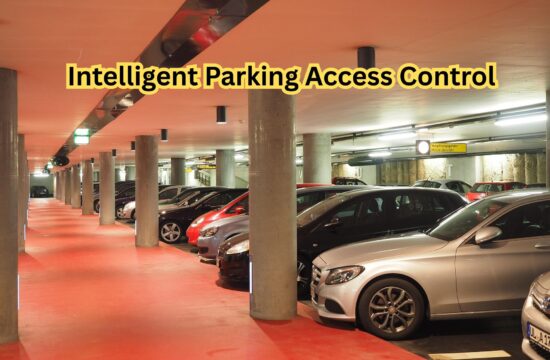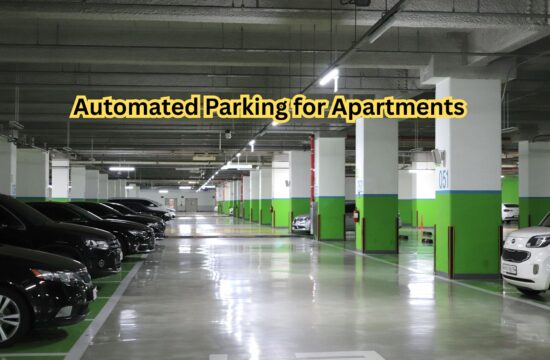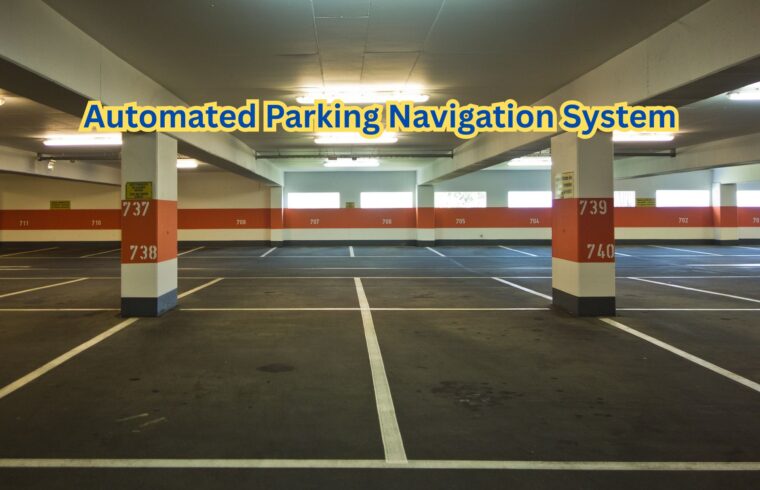
Using intelligent technology, an Automated Parking Navigation System assists cars in rapidly locating available parking spots. The Automated Parking Navigation System tracks parking occupancy in real time using sensors, cameras, and advanced software. It eliminates driver annoyance, saves fuel, and lessens traffic congestion by guiding cars effectively. Malls, workplaces, airports, and residential complexes are the best places to use the Automated Parking Navigation System, making parking faster, smarter, and more efficient for users.
How Automated Parking Navigation System Works
IoT sensors and cameras placed in parking lots provide data to the Automated Parking System. Intelligent software analyzes this data to determine whether locations are occupied and unoccupied. Digital signboards and smartphone apps provide drivers with clear guidance, making parking quicker, easier, and more structured.
Benefits for Drivers and Property Owners
By cutting down on search time and tension, an automated parking system makes driving more convenient. It improves customer pleasure, maximizes space use, and reduces human management expenses for property owners. Planning, keeping an eye on peak hours, and enhancing overall parking efficiency are all made easier with accurate data.
Role in Smart Cities and Modern Infrastructure
An automated parking system is essential to the development of smart cities. It promotes improved traffic flow, minimizes needless vehicle movement, and cuts carbon emissions. Cities with well-managed parking facilities become cleaner, smarter, and more sustainable when this system is integrated with urban infrastructure.
Future Scope of Automated Parking System
AI-based forecasts, automatic payments, and smooth app integration are all part of the automatic Parking Navigation System’s future. Personalized advice and enhanced security will be provided by advanced analytics. These systems will become commonplace in contemporary residential and commercial developments across the globe as technology advances.