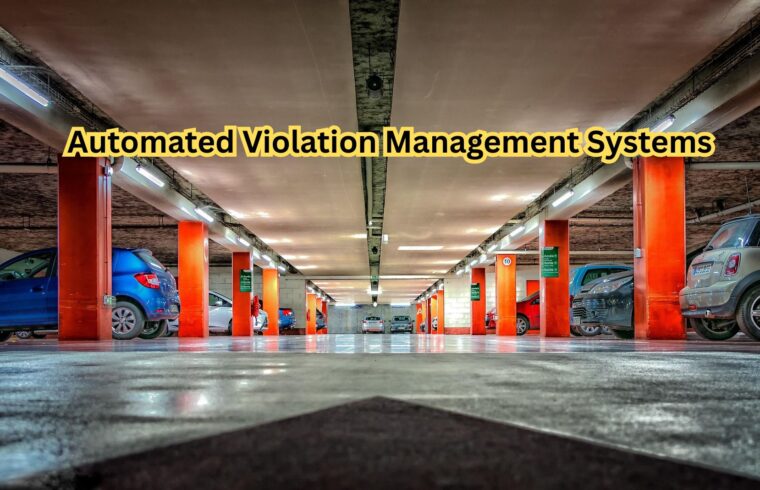
Automated Violation Management Systems are changing the way businesses manage parking and compliance concerns. The way businesses manage parking and compliance concerns is changing thanks to Automated Violation Management Systems. To identify infractions in real time, these systems make use of cutting-edge technologies like AI, cameras, and sensors. They increase efficiency and accuracy by decreasing manual labor. In today’s modern parking environments, Automated Violation Management Systems help identify infractions quickly and accurately. Businesses and governments profit from quicker processing, improved enforcement, and increased customer happinesss. Automated Violation Management Systems.
How Automated Violation Detection Works
To detect infractions, automated systems use cloud-based software, IoT sensors, and license plate recognition. While algorithms examine parking duration and permissions, cameras record vehicle data. The system automatically logs evidence when it detects a violation. This makes enforcement more dependable, uniform, and scalable across various parking facilities and urban infrastructures by guaranteeing transparency and resolving conflicts.
Key Features of Modern Systems
Real-time alerts, digital ticketing, and data analytics dashboards are features of contemporary automated violation systems. Additionally, they provide mobile integration for simple management and monitoring. Owners and users are quickly alerted by automated notifications. These features assist parking operators and property managers make better decisions by streamlining operations, lowering human error, and offering actionable insights.
Benefits for Property Owners and Cities
These systems have several benefits, such as lower operating costs and higher compliance rates. While cities can effectively control traffic flow, property owners can remotely monitor several places. The requirement for manual enforcement personnel is reduced by automation. It also guarantees equitable rule enforcement and improves fee collection, making parking easier for both administrators and users.
Challenges and Considerations
Despite their advantages, Automated Violation Systems face challenges like data privacy concerns and initial setup costs. Integration with existing infrastructure can also be complex. Organizations must ensure proper data security measures and user transparency. Addressing these challenges is essential for building trust and achieving long-term success in implementing automated parking enforcement solutions.
Future of Automated Violation Management Systems
With ongoing developments in AI and smart city technology, Automated Violation Systems appear to have a bright future. Machine learning and predictive analytics will further improve accuracy and efficiency. Smart infrastructure and driverless cars will integrate to create smooth experiences. In the upcoming years, these developments will completely transform parking management, making systems more proactive, intelligent, and user-friendly.